
Day 20 - The Hidden Variable Behind Every Successful Data Scientist: Relationships
( Even the best data scientists can’t do great work alone.)

When I first started working as a data scientist in New York, I felt alone.
Not at work, outside of it. I had colleagues, teammates, people to grab coffee with…but no real community. My life revolved around code, deadlines, and late-night Slack messages.
If I wasn’t working, I was recovering from work.
I kept wondering: “What am I missing?”, “Why am I not happy?”
But I told myself that’s just what being a high performing data scientist looked like: heads down, eyes on the next milestone.
And worse, I didn’t realize how much that unhappiness outside of work was quietly draining my performance inside of it.
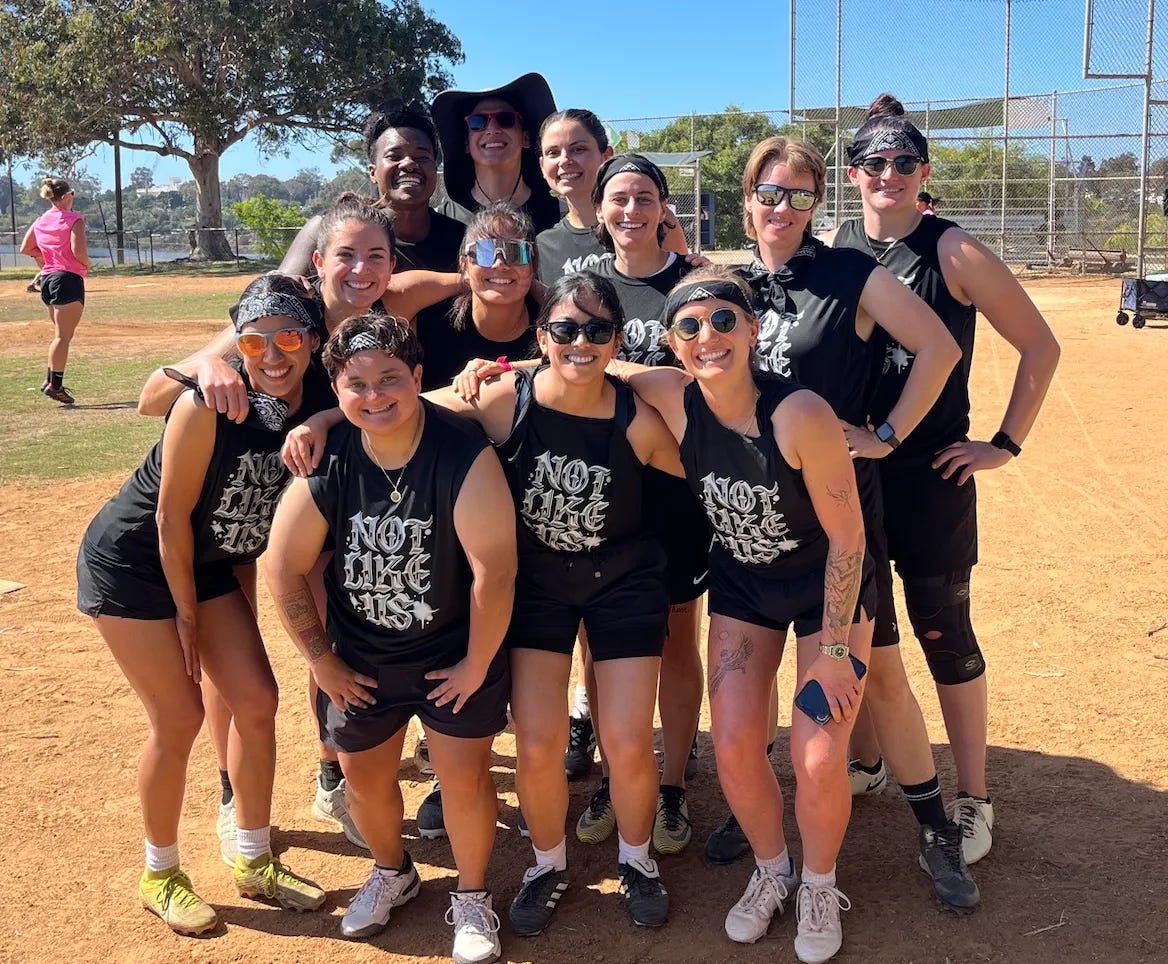
Then I moved to San Francisco.
I joined a rec sports league.
Started cooking with friends again.
Found people who cared about health, growth, and balance.
All while working at the exact same company…
And something clicked:
The happier I became outside of work, the sharper I became at work.
Because when you actually enjoy your life after hours, you start showing up differently during them.
The Science of Why Community Matters if You Want to Live a High Performing and Happy Life
One of the most fascinating long-term research projects ever done is The Harvard Study of Adult Development: a study that has been tracking people’s lives, happiness, and health for over 85 years.
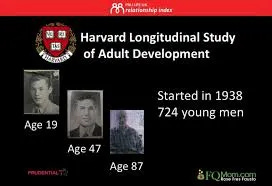
And what they found surprised me so much:
It wasn’t money.
It wasn’t success.
It wasn’t even physical health markers like cholesterol or blood pressure.
The strongest predictor of how happy and healthy people were later in life came down to one thing: The quality of their relationships.
The researchers found that people who felt more connected to others at age 50 were dramatically healthier by age 80, not just mentally, but physically too.
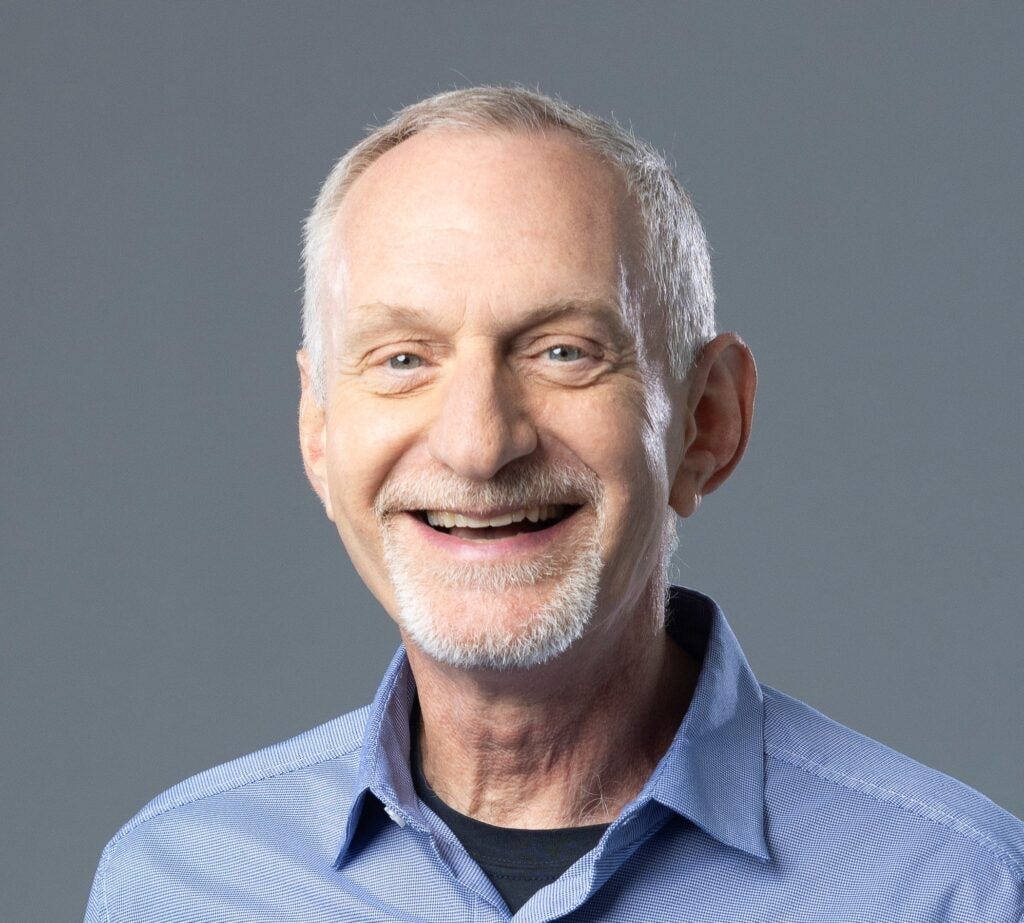
As Dr. Robert Waldinger, the current study director, put it:
“It wasn’t their cholesterol levels that predicted who would age well — it was how satisfied they were in their relationships.”
And loneliness didn’t just make people unhappy. It made them sick.
People who were socially isolated experienced faster cognitive decline, higher stress levels, and shorter lifespans.
In fact, the researchers found that chronic loneliness had effects on health comparable to smoking or alcoholism.
Let that sink in: being disconnected can hurt your body as much as it hurts your mind.
And maybe the most important insight of all is that it’s not about how many people you know.
It’s about how deeply connected you are to the few who really matter.
A few meaningful friendships (the kind where you can be real, supported, and seen) have more impact on your well-being than a hundred shallow ones ever could.
In other words: relationships aren’t just a “nice to have.”
They’re a performance advantage.
Because when you feel supported outside of work, you show up stronger inside of it.
How Community Shapes Your Career, Health, and Resilience
1. Your friend group can make or break your data science career.
When I look back, the biggest shifts in my career did not come from learning new skills. They came from the people I surrounded myself with.
Early on, I did not realize how contagious other people’s habits and ambitions were.
If your circle spends their time complaining about management, dreading projects, or gossiping instead of growing, you will start doing the same.

But when your circle is full of builders: people who experiment, share their work, and push each other to grow…That’s when you start growing.
You begin to think bigger.
You stop playing small.
And you naturally hold yourself to a higher standard just by being around them.
I like to say that you do not rise to your goals. You rise to your environment (and your friends).
2. A support system outside of work makes you healthier and sharper.
When I lived in New York, I was working out regularly, but I still felt completely alone. I had my gym routine, but no real sense of connection.
I treated my health like something I could handle by myself, as long as I trained hard and ate well. But over time, I realized that physical health is only one part of the equation.
When I moved to San Francisco:
I started playing sports with friends,
cooking together, and
spending more time outdoors.
I finally felt like I had a community.
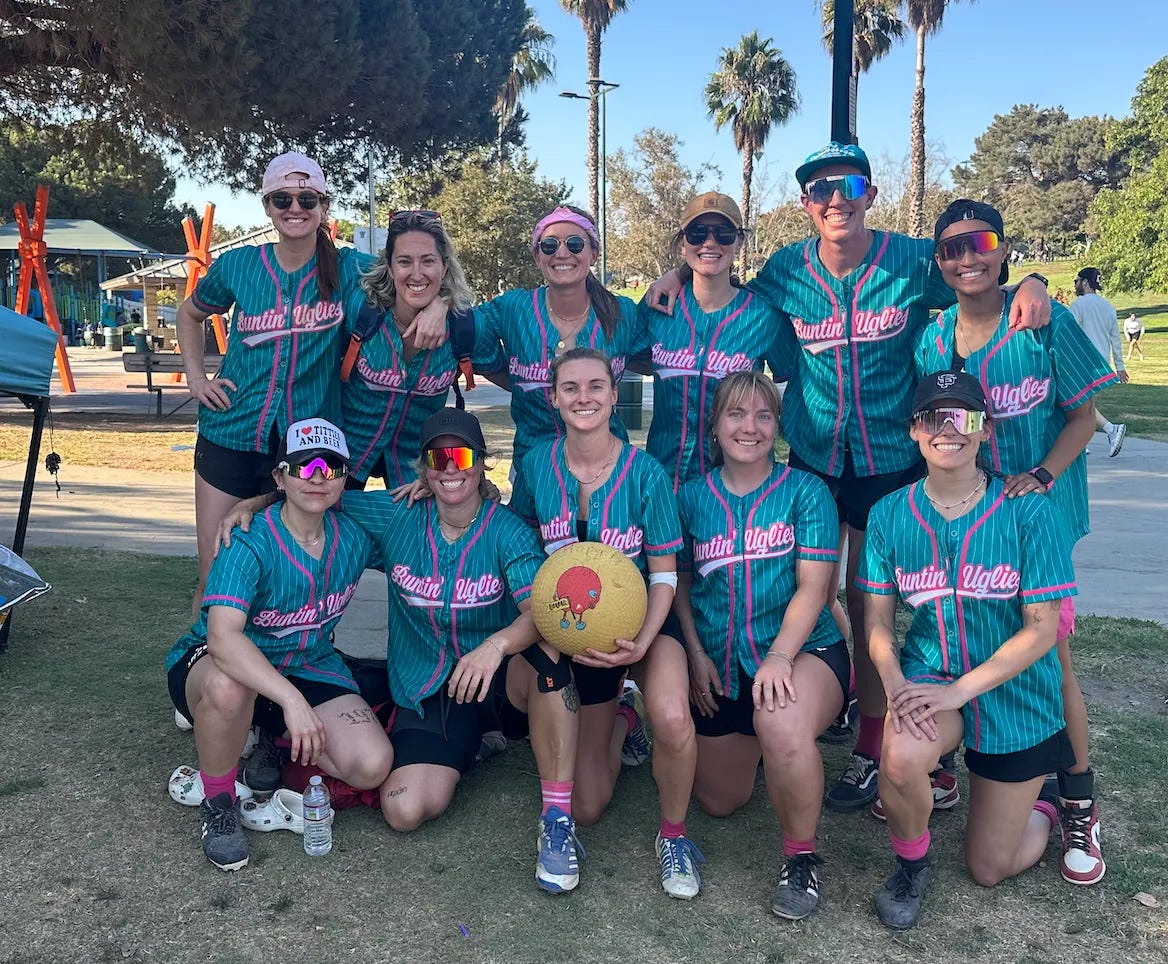
I was not chasing productivity anymore. I was chasing balance. And ironically, the more time I invested in those relationships, the better I became at my job.
My focus improved. I handled stress more easily. I recovered faster from long workdays.
That is when it clicked for me: Being surrounded by people who make you laugh, move, and feel supported is not a distraction from high performance.
It is the foundation of it.
3. For international students and immigrants in tech: you don’t have to do it alone.
As a fellow immigrant, I know how heavy this path can feel.
When I graduated from Columbia four years ago, I thought landing my first data science job would be all about skills and persistence.
But soon I realized it was also about visa lotteries, work authorization timelines, and praying that the offer letter came before my OPT expired.
→ Refreshing my inbox every hour, waiting for HR to confirm sponsorship.
→ Explaining to recruiters what “STEM OPT” meant.
→ Wondering if all the effort to study and build a career here would actually pay off.
It’s exhausting, not because you’re not qualified, but because the system isn’t built for how much international students bring to the table.
If that’s you right now, please don’t lose hope.
What helped me most was community.
Connecting with other international students at my university.
Reaching out on LinkedIn to people who’d been through it.
Sharing tips, encouragement, and sometimes just venting.
That’s what kept me grounded when everything felt uncertain.
And that same sense of belonging is what helped me grow: in work, health, and life.
I did a post about the weird story that finally killed my data science procrastination.
Go check it out on here and let me know which part hit you the most.
Coming Up Tomorrow 👀
We are entering the last part of The 30-Day Career Accelerator for Data Scientists.
This next phase is all about long-term growth: how to build systems that help you stay sharp, healthy, and fulfilled long after this series ends.
Until Next Time,